


Chinese Cross-border E-commerce And International Trade Sellers Are Shifting Towards The North Of China
Chinese cross-border e-commerce and international trade sellers are shifting towards the north of China

Throughout the years, the economic landscape has shown a trend of being strong in the south and weak in the north, and this is also true in the field of cross-border e-commerce.
In the domestic cross-border e-commerce camp, Guangzhou, Shenzhen, Foshan, Dongguan, Zhuhai, Ningbo, Shantou, Yiwu, and other southern cities dominate. Data shows that from 2015 to 2023, the average annual growth rate of cross-border e-commerce in Guangdong Province alone reached 71.4%, contributing over one-third of the national market share.
But today, the map of cross-border e-commerce across the country is gradually moving northward.
Last year, some industrial belts in central China began to rise through cross-border e-commerce, such as electronic technology in Wuhan. By 2024, the scale of Wuhan's optoelectronic information industry (including software) will reach 756.6 billion yuan, a year-on-year increase of 11.7%. Among them, the output value of the electronic information manufacturing industry was 404.5 billion yuan, a year-on-year increase of 8%, ranking first among all industries in the city in terms of growth rate.
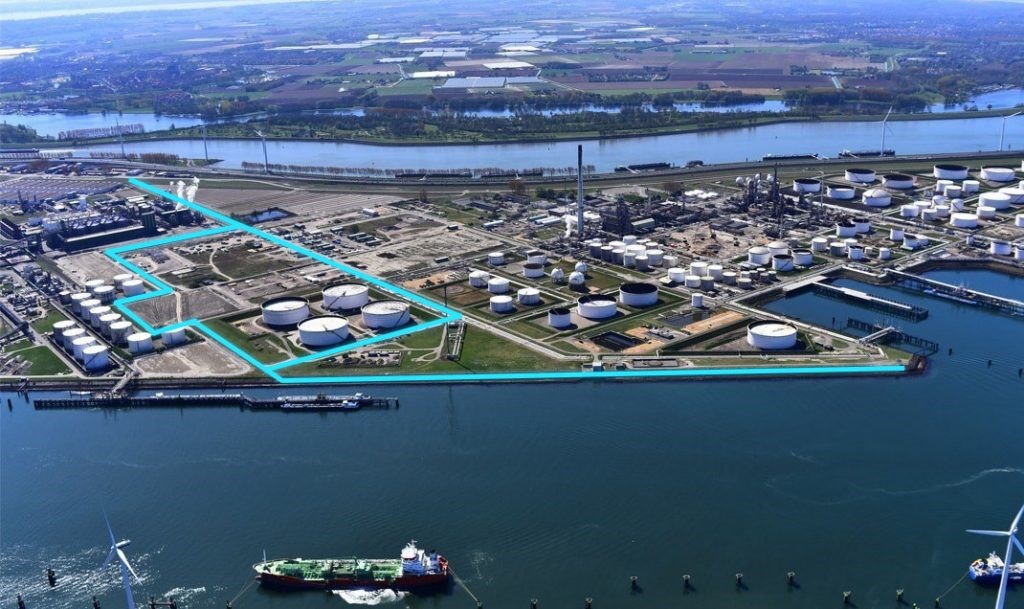
Coincidentally, cities such as Ezhou, Qinhuangdao, Qingdao, Baoding, Kaifeng, Xinxiang, and Erenhot have also shown remarkable performance in cross-border e-commerce. Public data shows that in 2024, the import and export volume of cross-border e-commerce in Ezhou increased by 566% year-on-year; From January to August 2024, the total import and export volume of cross-border e-commerce in Yanbian Prefecture reached 3.8 billion yuan, a year-on-year increase of 83.6%.
In addition, the number of enterprises related to "cross-border e-commerce" in the entire Shandong Province has reached 14000, from south to north. This does not imply that northern cities will replace the dominant position in southern China, but rather that once the north-south markets collaborate, the entire cross-border e-commerce track may have new stories to tell.
The genes of cross-border e-commerce in the north are beginning to 'collectively awaken'
Preliminary statistics show that in 2024, China's cross-border e-commerce imports and exports will reach 2.63 trillion yuan, a year-on-year increase of 10.8%. There will be over 1000 cross-border e-commerce industrial parks in various regions, over 2500 overseas warehouses, and an area of over 30 million square meters. Why do cross-border e-commerce companies move north? Because compared to already overcrowded Guangdong, Fujian, and Shenzhen, the north appears less crowded.

Data shows that there are over 4 million professionals involved in cross-border e-commerce in Shenzhen alone, with over 800000 companies and 290000 small and medium-sized sellers. Meanwhile, according to the monitoring of "Dianshubao", there will be 50 large-scale enterprises that have "died" in the cross-border e-commerce field by 2024, most of which are located in Guangdong, Fujian, and Zhejiang.
On the other hand, the slightly wider northern and inland areas of the track gradually highlight the advantage of "cross-border".
Firstly, there is the 'policy siphon' effect. For example, as early as 2016, Qingdao was included in the "Cross border E-commerce Comprehensive Pilot Zone". According to Tianyancha data, in the past two years, up to 41.3% of cross-border enterprises have made Qingdao their first stop for "going north". As of now, there are more than 300 enterprises in the Qingdao Cross border E-commerce Industrial Park.
At present, China has established 165 comprehensive pilot zones for cross-border e-commerce, achieving full coverage in 31 provinces, regions, and cities. The enthusiasm of various cities for cross-border e-commerce has also led to a trend of reallocating previously imbalanced resources. For example, Hengyang (Hunan) has rewarded cross-border e-commerce leading enterprises with a maximum of 1 million yuan, attracting more than 80 cross-border e-commerce enterprises at one point.
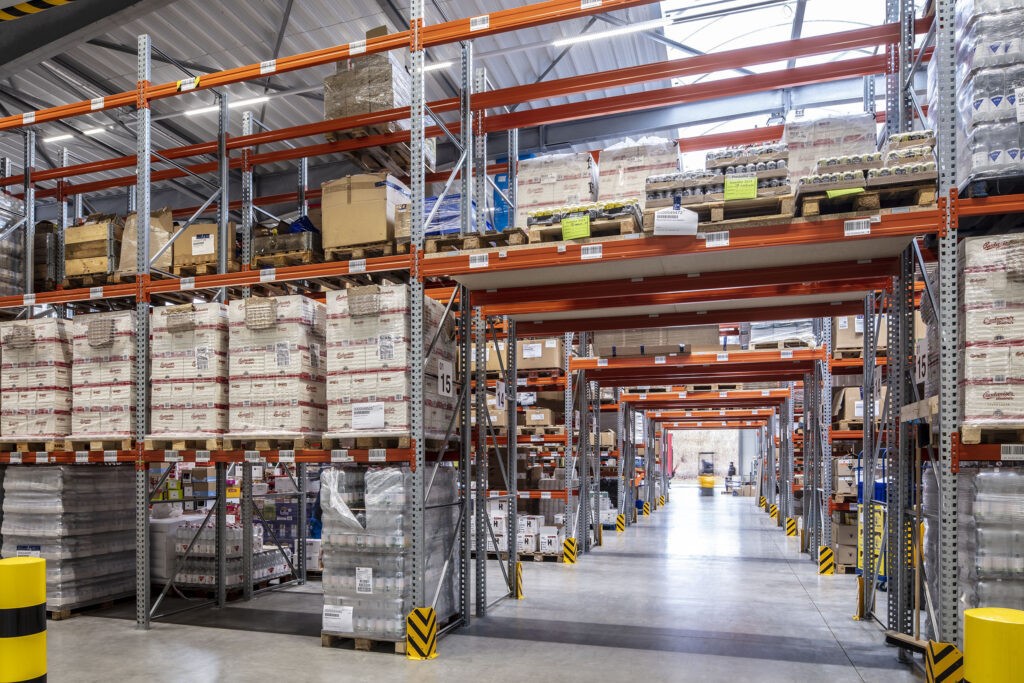
Secondly, with the increasing growth of cross-border e-commerce, northern cities have repeatedly upgraded their logistics networks, especially the four provinces north of the Yangtze River (Shandong, Shanxi, Henan, and Hebei), which have become ideal destinations for cross-border e-commerce migration across the country with relatively low production costs, abundant labor resources, and improving transportation infrastructure.
In 2024, the year-on-year growth rate of Hebei's foreign trade containers reached 49%; There are 14 foreign trade routes in Qingdao Port, and Jiaodong International Airport has added all cargo routes to Frankfurt, Toronto, and New York; Zhengzhou has normalized the operation of cross-border e-commerce charter flights to Belgium, Los Angeles, and New York. There are 29 all cargo airlines operating in Zhengzhou, with 49 all cargo routes opened.
Of course, cross-border e-commerce also depends on the industry belt behind it.
In recent years, the northern industrial belt has collectively awakened, and Shandong Province is expected to create 20 cross-border e-commerce characteristic industrial belts by 2025. Among them, Qingdao has already formed 10 industry clusters worth over 100 million US dollars, including children's clothing, wigs, outdoor products, etc. On a global scale, the reputation of manufacturing in northern China has always been impressive. In 2024, sellers from northern regions will experience astonishing sales growth in eBay's three core markets of the United States, United Kingdom, and Germany.

In the first half of 2024, China's cross-border e-commerce exports to the United States accounted for 34.2%, the United Kingdom accounted for 8.1%, Germany accounted for 6.2%, and France accounted for 4.5%. Among them, the United States has always had the highest proportion, but with the ups and downs of tariff waves in the past two years, building overseas warehouses and building supply chains is not a one-day effort. This has led cross-border players to turn their attention to Japan and South Korea, which are closer to the north, and have achieved good results.
According to data released by IGAWorks, Temu has become the app with the highest number of new downloads among adults in South Korea in 2024. As of March 2024, Temu's users in South Korea have reached 8.296 million, an increase of 42.8% compared to February. The global download volume on AliExpress has also exceeded 6 million.
At the same time period, Temu's GMV in Japan may reach 400 billion yen in 2024, and by July 2025, it may quickly reach the level of 40% of Yahoo Retail and Mercari, making the Asian consumer circle the preferred track. On the merchant side, beyond the Asian circle, Ozon, also known as the "Russian Amazon," has over 100000 Chinese sellers on this platform, accounting for 20%.
In the radiation of location, various signs indicate that the genetic explosion of cross-border e-commerce in the north is by no means a coincidence.
Is it 'complementary' or a replacement?
It should be clarified that the "northward migration" of domestic cross-border e-commerce is actually aimed at presenting a deep complementarity between the north and south of the entire track, rather than simply replacing it. According to data, there are currently as many as 66 cross-border e-commerce platforms worldwide. In 2024, China ranked second with a global cross-border e-commerce export value of 180.7 billion US dollars.
The first place goes to the United States, with a total cross-border e-commerce export value of 684.5 billion US dollars for the year.
Amidst the gap of half heat and half crisis, the domestic cross-border e-commerce industry urgently needs to form a complete ecosystem of "North South complementarity". Fortunately, under the influence of multiple factors such as industrial foundation, logistics network, and market positioning, southern and northern cities are competing in a differentiated manner, and there is a certain logic of "complementarity".

Let's first look at the industrial foundation.
For a long time, South China has a mature manufacturing cluster and Internet gene, so it has formed a cross-border e-commerce ecosystem dominated by 3C digital, clothing and cosmetics, and smart home. Data shows that up to 60% of the 3C products in China's cross-border e-commerce exports come from the Pearl River Delta and 30% from the Yangtze River Delta.
On the other hand, in the atmosphere of traditional manufacturing in the north, this region seems to have heavier equipment, specialty agricultural products, home textiles and accessories
For example, automotive parts and heavy industry equipment from Shandong, office furniture and machinery manufacturing from Henan, and agricultural machinery and equipment from Hebei are particularly prominent on eBay. In 2024, Shandong construction machinery manufacturers saw a year-on-year increase of 700% in excavator sales on the eBay platform, while welding and engraving machines also doubled their sales.
In terms of logistics network.
According to research report data statistics, cross-border logistics costs typically account for 20% -30% of the total cost of goods, and in some cases even higher. Since the outbreak of the tariff crisis, domestic cross-border e-commerce players have been caught up in logistics anxiety, not only trying to transfer their supply chains, but also overseas warehouses have also erupted.
But in reality, supply chain transfer involves labor, professional skills, and brand building, and it is difficult to achieve overnight.

According to data from the Ministry of Commerce, as early as 2020, the number of cross-border e-commerce overseas warehouses exceeded 1800, with a year-on-year growth rate of 80% and an area of over 12 million square meters. With the end of the first outbreak period, the overseas warehouse entered the destocking stage. Data shows that in 2022, 50% of the overseas warehouses selected by Zheshang Securities experienced a year-on-year increase or decrease in revenue.
By 2024, data from Zheshang Securities shows that in the overseas warehouse supply market, smaller service providers account for the majority, with service providers with revenue below 50 million accounting for 54%. That is to say, the vast majority of players in the overseas warehouse market are small in scale, and it is still unknown how much they can accommodate.
If we start from the domestic logistics network and focus on the global consumer market, the complementary pattern between the North and the South will be more obvious. In southern cities, logistics transportation to European and American markets is already very mature, while in the north, cross-border e-commerce along the Erenhot (China Mongolia border) and Dandong (China North Korea border) cannot be underestimated.
Last year, a report from NetEase News showed that compared to ocean transportation to the United States, the voyage from Qingdao to Japan is significantly shorter. Specifically, it may take up to a month for goods to be shipped to the United States, while it only takes 10 days to arrive in Japan. In terms of capital turnover, it takes about 3-4 months for the United States and only 1 month for Japan.
Finally, regarding market positioning, to this day, the southern region has accumulated a wealth of brand operation experience in the cross-border e-commerce ecosystem, with a greater emphasis on branding paths, while the northern region is simultaneously exploring new markets and creating product effects. The cross penetration of the two at different market levels may be the most desirable state for the entire cross-border e-commerce track.
What is the next step for global business?
It cannot be denied that the growth of cross-border e-commerce is directly related to the global environment.
In 1938, the United States implemented a small tax exemption policy to facilitate tourists to bring souvenirs into the country (with a limit of $5). Later, after multiple adjustments, it was increased to $800 in 2016 and supported by the T86 customs clearance model to simplify the process. From 2015 to 2024, the number of "small exemption" goods applications in the United States surged from 139 million to 1.4 billion.
As of now, the global e-commerce market is expected to reach a size of 6.3 trillion US dollars, with cross-border e-commerce accounting for 22%. However, more than half of the global enterprises believe that the operating environment for cross-border e-commerce is relatively difficult, especially in terms of customs clearance, tariffs, supply chain costs, and return processing.
Top domestic cross-border merchants have been showing signs of fatigue since last year.
It is reported that in the "Top 10 Cross border E-commerce Revenue Rankings for Overseas Sales in 2024", Saiwei Times, Huakai Yibai, Zhiou Technology, Lege Shares, and Three State Shares all showed an increase in revenue, but a decrease of more than 20% in net profit. 90% of the cross-border e-commerce export companies in the ranking are experiencing a decline in gross profit margin.
In 2025, with the fluctuating "compliance costs" in the European and American markets, it is crucial to determine the next steps for global business.
To this day, transferring the consumer market, diversifying corporate risks, and expanding future market share seem to have become a key factor.
According to Statista's data, among the 12 countries with a compound annual growth rate of retail e-commerce sales exceeding the global average growth rate (9.49%) from 2024 to 2029, Latin America, Central Asia, Africa, and Southeast Asia all have some regions on the list. Among them, Latin America has the largest number of countries on the list, with Brazil, Mexico, and Argentina all included.
Secondly, cost-effectiveness is a powerful tool in any consumer environment.
Since the beginning of this year, most mainstream e-commerce platforms overseas have started to raise prices. From April 9th to May, the prices of nearly 1000 products on Amazon's website have significantly increased, covering multiple categories such as clothing, home goods, electronic products, and toys, with an average price increase of nearly 30%.
It is reported that the price of a power bank has directly increased from $110 to $135, an increase of over 20%.
In contrast, players who are still pursuing cost-effectiveness are highly popular among consumers.
For example, Dunhuang website, which became famous this year due to the tariff scandal, has seen significant growth in GMV for multiple categories on the platform since April. Among them, the transaction volume of new buyers for outdoor equipment has increased by 195%, pet supplies has increased by nearly 130%, hair products have surged by 671%, home appliances have grown by 962%, security has jumped by 601%, and health and beauty categories have grown by 318%.
However, whether cross-border merchants can afford price wars nowadays is another matter. In 2024, the decline in net profit and gross profit margin of top cross-border sellers is closely related to their rising costs, especially advertising and marketing expenses and warehousing costs.
In 2024, the advertising expenses of Three State Shares increased by 97.47% year-on-year, while the business promotion expenses of Saiwei Times increased by 132.09% year-on-year. The warehousing costs of Saiwei Times also increased by 103.26% year-on-year, and the warehousing expenses of Huakai Yibai surged by 153.04% year-on-year in 2024 and 2023.

Based on the current situation, these two expenses will only increase in the future, as the global cross-border e-commerce chain is already overcrowded. Looking at merchants alone, Amazon's "2024 Global Store Opening White Paper" shows that sellers with sales exceeding one million US dollars will grow by up to 55% within two years.
In short, cross-border business is not easy to do anymore. I hope that the domestic and southern markets can further form a new pattern of "differentiated competition and complementary development", so that the entire track will not fall behind.
