


Co-Packing Is Supply Chain’s Safety Valve
Co-Packing is Supply Chain's Safety Valve
Co-packing and repacking are shifting from a last-resort cost into a strategic buffer for brands facing late-stage packaging disruption, writes Bartosz Grajewski (pictured, below), Sales Director at Transpak Copacking.
In an ideal supply chain, packaging decisions are locked months in advance, aligned with regulatory requirements, retailer expectations and production plans. In practice, manufacturers regularly face late regulatory changes, transport damage and last-minute promotional ideas that collide with the rigid realities of high-volume lines. When that happens, co-packing and repacking providers can act as a safety valve – absorbing packaging work outside the factory so core operations keep running. Three recent scenarios illustrate the pattern.
Local language, global line
A large personal care brand was preparing to enter the Baltic markets with an existing range. Retailer and regulatory requirements meant packs needed compliant local-language labelling before reaching shelf. But the volumes for three new markets were modest compared to the brand's global runs. Stopping a high-speed filling and labelling line for a small, market-specific batch would have meant lost capacity and an unattractive cost per unit.

Instead, the company shipped a standard version of the product and outsourced relabelling to a specialist co-packer in Central Europe. Finished goods arrived, compliant labels were applied in the required languages, and products were prepared for local distribution. Decoupling production from market-specific packaging turned a regulatory bottleneck into a manageable adaptation step.
Marketing outpaces manufacturing
Another FMCG brand was preparing an in-store promotion for the peak holiday season – gift sets combining standard products with a limited-time bonus item in an unusual pack size. The concept resonated with retail partners, but the promotion had not been aligned early with manufacturing. By the time volumes and dates were confirmed, the production plan for the core range was locked.
Outsourcing the kitting turned out to be the fastest, least disruptive solution. The co-packer handled physical assembly, bonus-item placement, promotional labelling and shelf-ready preparation. The brand kept its core schedule intact while delivering the seasonal campaign on time. For the retailer, the only thing that mattered was that packs arrived ready to merchandise.
Damage in transit
A third scenario involved a North American metalworking-tools manufacturer shipping a mixed pallet load into Europe. The tools themselves were robust, but the journey was not kind to the outer packaging: a significant share of retail cartons arrived crushed or torn. Product quality met specification, but visibly damaged packaging risked returns and brand damage at point of sale. Sending stock back across the Atlantic would have been prohibitively expensive.
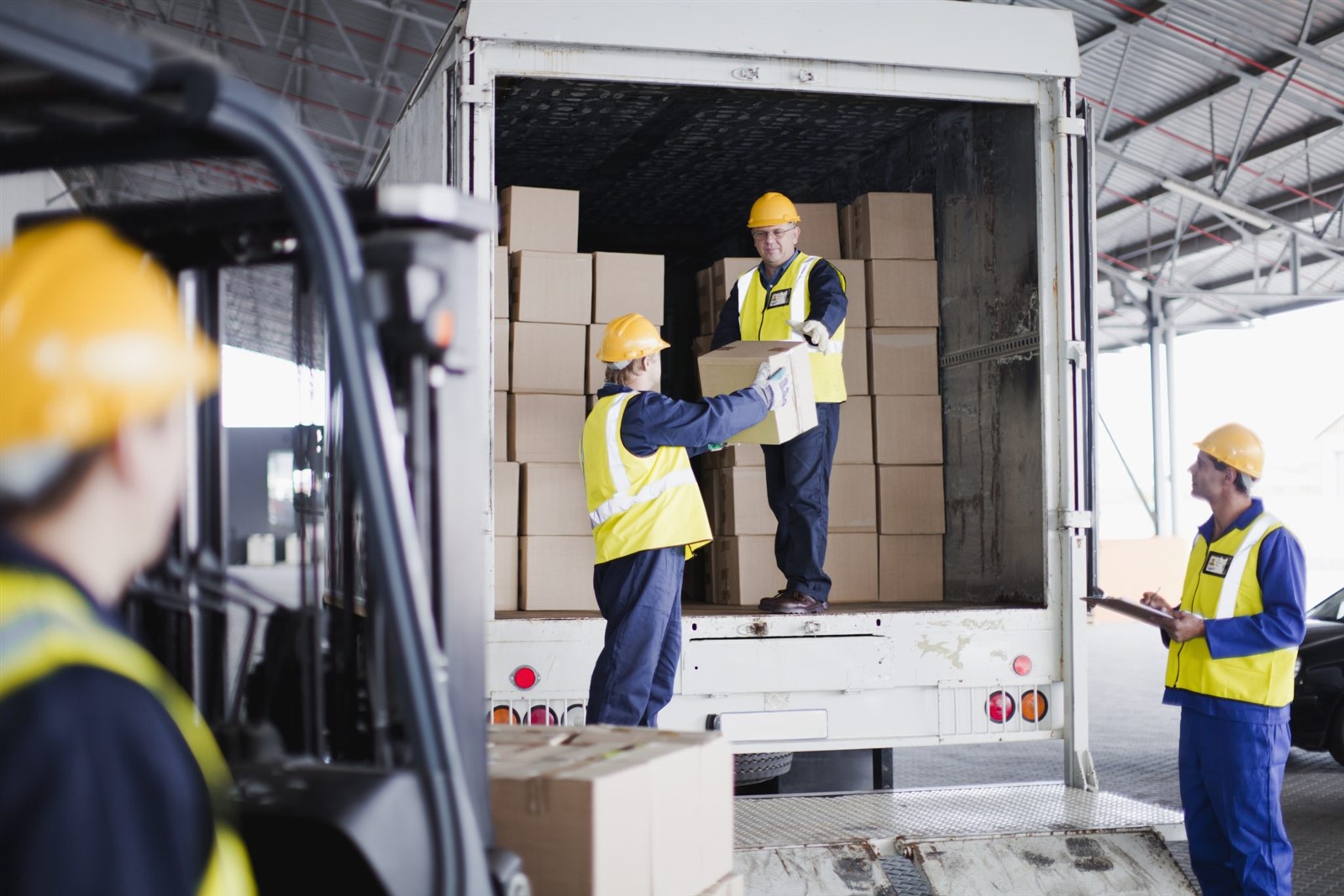
A local repacking partner received the shipment, separated intact packs from those needing attention, sourced new packaging, checked labelling and prepared the goods again as saleable stock. What could have been a costly write-off became a manageable recovery project that preserved both revenue and customer relationships.
A flexible buffer
None of these situations were part of the original plan, yet all are increasingly common in complex, international supply chains. Late regulatory changes, ambitious marketing ideas and transport incidents are difficult to eliminate – the real question is how quickly and efficiently manufacturers can respond.
Treating co-packing and repacking as a strategic buffer, rather than a last-resort fire-fighting cost, gives brands more options when reality diverges from the plan. The ability to adapt packaging after production, closer to the point of sale, can be the difference between delaying a launch and keeping products flowing to customers.
