


Behind Lazada's Cross Border Service Provider List, The Underlying Logic Of Southeast Asian E-commerce Preferred Platforms
Behind Lazada's Cross border Service Provider List, the Underlying Logic of Southeast Asian E-commerce Preferred Platforms

In July 2025, Lazada's Q2 Cross border Excellent Service Provider List attracted industry attention. From the audio brand ZNT jumping to the top 3 in Thailand's 3C category in two years, to the consumer electronics brand Zigu opening up eight markets in Southeast Asia and South Asia through the "one click synchronization" function, behind these cases, more and more Chinese merchants regard Lazada as the "first choice" for going global to Southeast Asia. Behind this choice is neither accidental nor sentimental, but based on the infrastructure advantages and refined operational capabilities formed by the platform's ten years of deep cultivation.
Logistics infrastructure, from island fishing villages to time revolution
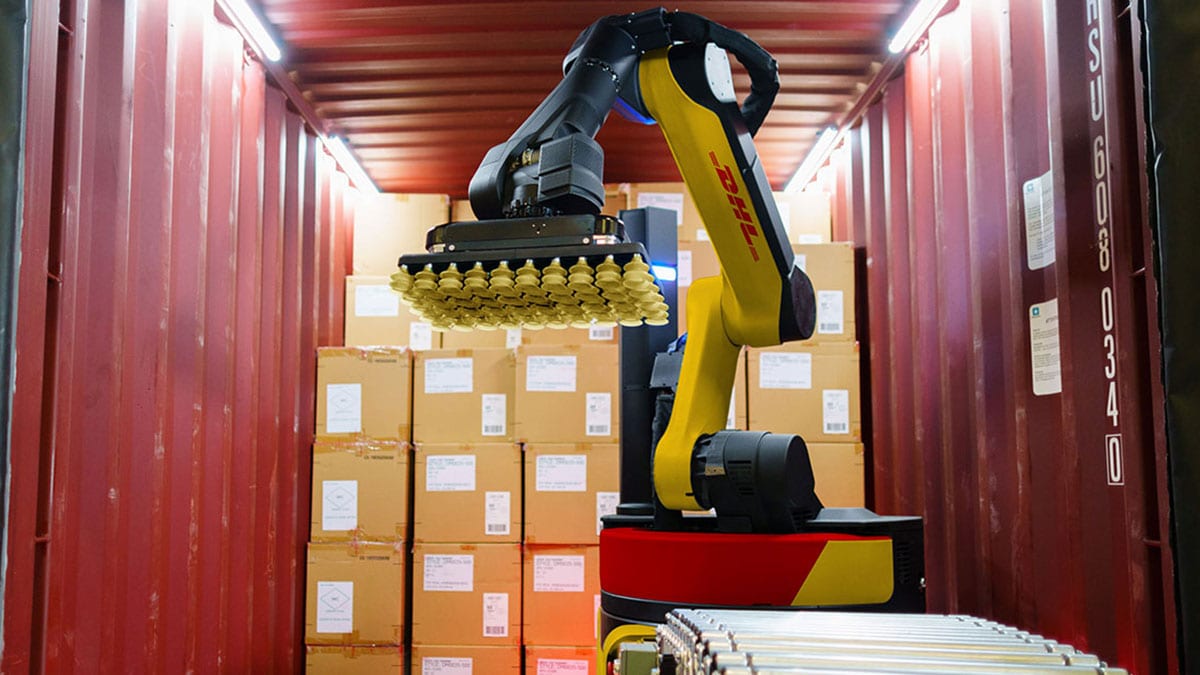
In Southeast Asia, logistics used to be a bottleneck for cross-border e-commerce. Orders from fishing villages on the east coast of Malaysia and remote islands in Indonesia have deterred many platforms. Lazada has been building its own logistics network since 2012 and has now established 30 warehouses and over 3000 self pickup points in 17 cities across six countries. 80% of orders are delivered through its own warehouse distribution system. In addition to logistics, Lazada Wallet now combines bank card payments to complement COD. Platform data shows that diversified payments have reduced customer complaint rates by 23% and increased repurchase rates by 18%.
Technology accessibility, the ladder from novice village to brand pool
For small and medium-sized businesses, "zero threshold trial and error" is an important reason for choosing Lazada. Starting from 2024, the platform will launch a policy of "90 day commission free+0 guarantee deposit" for new merchants, and increase subsidies by billions by 2025, including free shipping, advertising funds, and promotional resource slots. Data shows that as of June 2025, the daily average orders of new merchants have increased by over 300% annually, and the GMV of the 6.6 promotion has increased by 60% month on month. More importantly, Lazada has made Taobao's operational tools more accessible to the general public: its self-developed advertising algorithm Phoenix is benchmarked against Alibaba Mama, reducing customer acquisition costs for small and medium-sized businesses by 40%; The "one click shop" function connects Lazada and Daraz's eight markets, and the Zigu team achieves dual platform order growth with the same set of pallets, improving operational efficiency by 60%.

Brand merchants benefit from LazMall's "product effect integration". After Bubble Mart entered the market in 2023, it will analyze the fashion preference of various countries through the platform AI, and exclusively sell the limited edition, with a sales growth of more than five times, and 34% of the sales will come from the local popular webcast. This combination of technology and content stems from Lazada's deep understanding of the Southeast Asian market - unlike mature markets in Europe and America, Southeast Asian consumers rely more on "acquaintance recommendations". As a result, the platform has built an ecosystem of over 10000 influencers and creators. In the June 6th promotion of 2025 alone, the proportion of live streaming guided transactions reached 28%.

Localization and deep cultivation, from selling goods to "growing" ecology
Lazada's uniqueness lies in integrating "localization" into every aspect. At the 2025 China Merchants Conference, the platform proposed the "Core Category Focus Plan" to provide customized subsidies for segmented markets such as home furnishings in Indonesia, 3C in Thailand, and clothing in Vietnam. For example, through the "sea freight testing+local stocking" model, international shipping costs for medium and large-sized goods have been reduced by 70%, and sales of home appliances by Malaysian merchants have increased by 210% annually.
Shopee chose to expand rapidly in a light mode, while Lazada chose a heavier path - self built logistics, self-developed technology, and deep localization. Sacrificing speed in the short term, but building a moat in the long term. For Chinese merchants, choosing Lazada is not only about choosing a sales channel, but also about choosing a set of validated 'Southeast Asian survival rules'.
